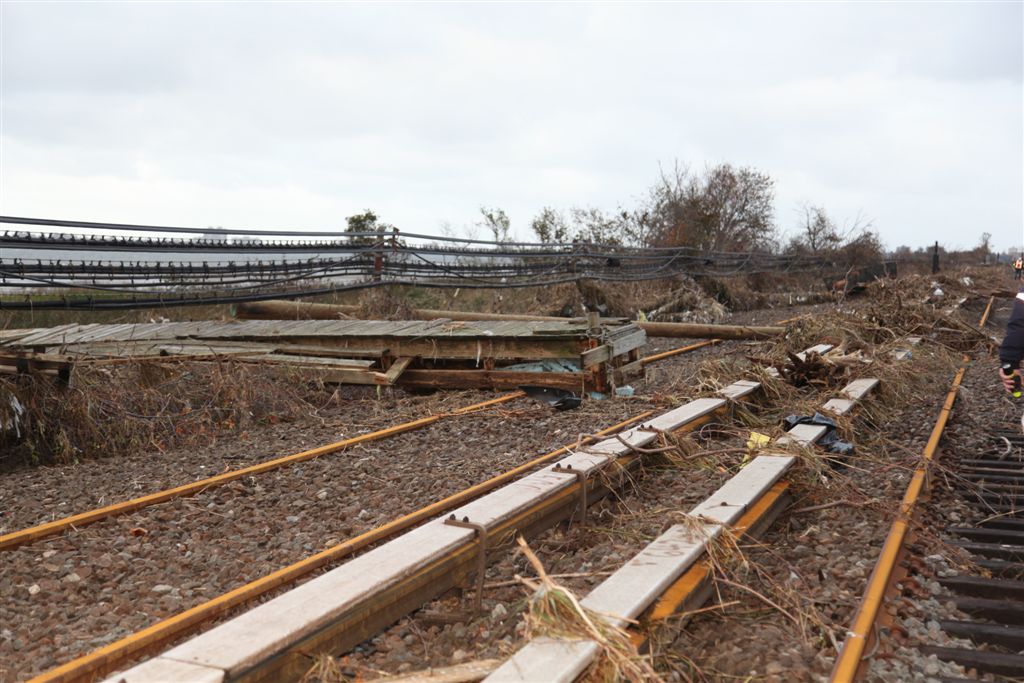
Mexico’s Interoceanic Train, a signature infrastructure project designed to connect the Pacific port of Salina Cruz with the Gulf port of Coatzacoalcos across the narrow Isthmus of Tehuantepec, is facing serious operational trouble, according to a report from El Universal.
The rail line, promoted by the federal government as a strategic alternative to the Panama Canal for moving cargo between oceans, is reportedly plagued by infrastructure shortcomings that are undermining service reliability. At the same time, passenger and cargo demand has fallen far short of expectations, leaving the system financially unsustainable on its own.
As a result, the report indicates that the government is subsidizing roughly 97% of the train’s operating costs, meaning fares and freight revenue cover only a small fraction of what it takes to keep the trains running. The project, overseen by the state-run Interoceanic Corridor of the Isthmus of Tehuantepec (CIIT), has been billed as a major driver of regional development and industrial investment in southern Mexico, but the funding gap raises questions about its long-term viability without continued taxpayer support.
The situation highlights broader challenges facing large infrastructure projects in Mexico, where ambitious construction timelines have sometimes outpaced the operational and commercial planning needed to sustain them.
Read the full original report at El Universal for more details.
Image: MTAPhotos, BY 2.0 (via Openverse).