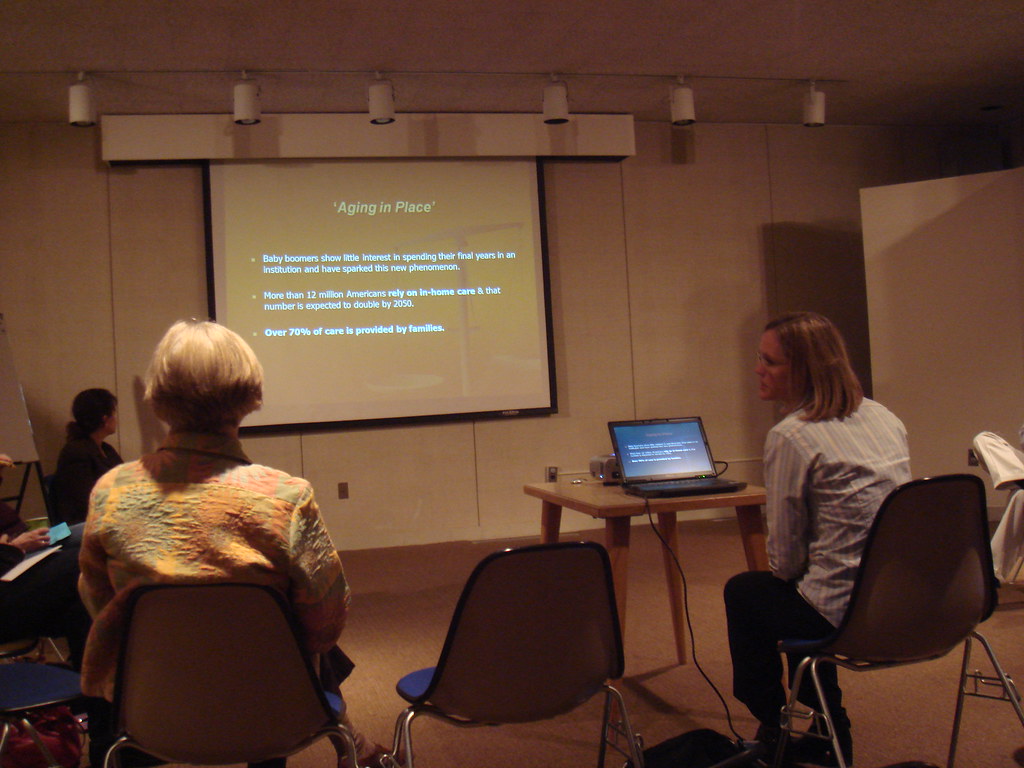
Caring for someone with Alzheimer’s disease rarely stays the same day to day. As the illness advances, everyday tasks the person once managed alone—cooking, taking medication, leaving the house, even bathing—start requiring constant supervision or hands-on help.
For family members who take on this role, that shift means reshaping entire routines, sacrificing personal downtime, and staying alert for most of the day. Yet the physical and emotional strain this places on caregivers often goes unnoticed until it starts wearing down their own health and well-being.
In Mexico, an estimated 1.3 million people are living with some form of dementia, a number that translates into steadily growing care needs as the condition progresses. According to available data, this responsibility falls overwhelmingly on women: 86.9% of primary in-home caregivers in the country are female.
Experts point out that this imbalance reflects broader cultural patterns around caregiving, where women are frequently expected to step into these roles within the family, often without formal training, financial support, or breaks. The result is a largely invisible workforce absorbing exhaustion, stress, and isolation while keeping loved ones safe at home.
To understand more about how this dynamic plays out and what support systems—or gaps—exist for caregivers in Mexico, read the full original report.
Source: <![CDATA[Cuidar también cansa: la carga física y emocional de quienes cuidan a una persona con Alzheimer]]> (RSS::excelsior.com.mx – Portada).
Image: Darien Library, BY-ND 2.0 (via Openverse).